Garden Clearance in Limehouse
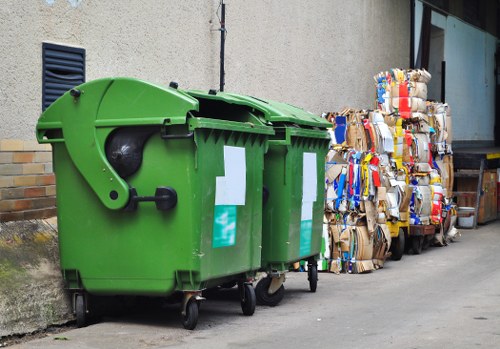
Garden clearance in Limehouse should feel practical, tidy and straightforward, whether you are dealing with an overgrown back garden, broken outdoor furniture, bags of soil or mixed green waste after a seasonal reset. Our service is set up to clear unwanted garden materials, separate recyclable items where possible and leave the space ready for its next use. That can mean a one-off clearance after a long period without maintenance, or a smaller collection after pruning, landscaping or general outdoor tidying.
We handle common garden clearance tasks with care for the items involved and the access available. Green waste, branches, clippings, sheds components, plant pots, fencing offcuts and similar materials can all build up quickly, so a clear plan helps. If your garden contains both organic waste and heavier items such as timber or rusted metal, we can organise the work around those different loads and remove them in a sensible order.
Use the rest of this page to see the kinds of garden clearance work we cover, what can affect the approach and how to request a quotation. If you already know the job, you can get in touch with our team and give a brief outline of what needs removing, then we can help you plan the next step.
Clearing overgrown gardens and outdoor storage
An untidy garden often contains more than visible greenery. Old compost bags, cracked planters, broken tools, dismantled trellis, plant supports and left-behind outdoor storage can all slow down the clearance process. We can clear these materials alongside shrubs, cuttings and other garden debris, making it easier to return the area to a workable state. Where items are reusable or recyclable, they may be handled differently from loose organic waste.
For larger or more awkward spaces, it helps to think in terms of zones rather than trying to describe the whole garden at once. A narrow side return, a shed corner, raised beds, a patio edge and a rear lawn may each need a different approach. Our aim is to remove the waste without adding avoidable disruption, keeping access clear and dealing with the heaviest or messiest items first. If you are comparing options, our garden clearance service is designed for those mixed outdoor clear-outs rather than simple bin collection.
What garden clearance can include

Garden clearances vary, but they usually involve a mix of soft and hard materials. Typical items may include hedge trimmings, turf, roots, piles of leaves, soil in manageable quantities, bags of garden waste, damaged pots, sections of old decking, rotten sleepers, broken garden ornaments and dismantled outdoor fixtures. Some jobs are mainly green waste; others involve a broader range of outdoor materials that need sorting before removal.
To keep the process efficient, it helps to know which items are staying and which are going. A useful way to prepare is to separate anything that must be kept, moved elsewhere on site or treated as especially fragile. For a simple guide, you might make a short list like this:
- green waste such as cuttings and leaves
- hard garden waste such as timber, plastic or metal
- reusable items set aside for storage or resale
- heavy materials that may need extra handling
If the clearance includes both light organic waste and heavier outdoor items, we can plan the removal to suit the load rather than forcing everything into one approach. That makes it easier to keep the work organised and reduces the chance of damage while items are being moved from the garden to the vehicle.
Garden waste, recycling and sorting
Good garden clearance is not only about lifting items away; it is also about deciding how different materials should be treated. Green waste such as grass cuttings, branches and leaves is often handled separately from timber, plastics, metals or old fixtures. Where suitable, recyclable materials are separated from general waste so the clearance is more orderly. This is especially helpful when a garden has accumulated mixed materials over time.
Recycling decisions depend on the exact composition of the load and how items have been stored. A bundle of untreated branches is very different from a pile of composite boards, and a sack of soil is different again from a broken chair or a rusted frame. We keep the service practical by working through those differences carefully. Mixed loads are common, so a clear separation process can make the work more manageable from start to finish.
Preparing for a quotation

To request a quotation for garden clearance, it usually helps to describe the items, the access route and the approximate amount of waste. If the garden is easy to reach, that can keep things simple; if access is through a narrow passage, side gate or shared hallway, it is worth mentioning. Photographs can be useful too, especially where the pile is spread across several parts of the garden or includes a mix of materials.
When sending the details, focus on what needs removing rather than trying to write a full explanation of the site. A short description of the items, any especially heavy pieces and whether they are loose, bagged or stacked is often enough to begin with. If there are delicate surfaces, steps, soft ground or obstacles along the route, include that as well so the quotation reflects the actual work more accurately.
If you are ready to compare options, ask for a quotation with a concise outline of the job and any access details that matter. A clear description gives a better starting point than a general request, and it helps the service match the clearance to the amount and type of garden waste involved.
Yard, patio and side passage clearances
Not every outdoor clearance is about a lawn or planting area. Many properties in and around Limehouse include yards, courtyards, patios and narrow side passages that collect waste in a compact space. These areas may hold broken pots, loose gravel, old screening, leaning fencing, discarded bags or general household items that have been left outdoors. Clearing them often requires a slightly more careful approach because access is tighter and surfaces may be more delicate.
We can handle these smaller but awkward outdoor spaces with the same attention to sorting and removal. A patio clearance may need furniture moved as well as plant waste taken away, while a side passage might need items removed in stages so the route stays usable. In these settings, the main question is often not how much waste there is, but how best to move it without blocking entrances or leaving a mess behind.
Useful decisions before the work begins

Before a clearance starts, it is helpful to decide whether anything in the garden should be kept aside, relocated or dismantled first. This is particularly relevant when the space includes planters, sheds, loose fixtures or items that may still be in use. A simple decision now can save time later and reduce the chance of something useful being removed by mistake. If the waste is mixed with movable furniture, it may also help to point out which items are to stay.
Access is another practical factor. Garden clearances often move through houses, side gates, alleys or shared spaces, and each route can affect how the work is organised. The path to the garden may be short but tight, or longer but more open. Either way, letting us know about steps, uneven ground or restricted entrances helps the job run more smoothly. Clear information supports a more accurate quotation and a better planned clearance.
For a quick next step, send the key details in one message and describe the type of garden waste in plain terms. If the job is straightforward, that is usually enough to begin planning. We keep the process simple: identify the materials, explain the access and note anything that needs special care.
About Limehouse
Limehouse is a riverside district in East London with a long history shaped by trade, docks and movement along the Thames. Its position close to the water helped define its character for centuries, and traces of that industrial and maritime past remain in streets, converted warehouses and the pattern of development around the waterways. The area sits within the London Borough of Tower Hamlets and is connected to neighbouring districts by roads, rail and pedestrian routes that reflect both its working history and later residential growth. The Limehouse Cut, an early canal link completed in the 18th century, is one of the most notable waterways associated with the district and still gives the area a distinct sense of place. St Anne’s Church, designed by Nicholas Hawksmoor and completed in the early 18th century, is another important landmark, known for its striking tower and prominent position in the local landscape. The Limehouse Basin, where the Regent’s Canal meets the Thames, adds further interest with its mix of waterside paths, bridges and moored craft. Alongside older structures, Limehouse also contains modern housing, renewed public spaces and stretches of dockside development that show how the district has changed over time. Its streets often combine compact terraces, mixed-use buildings and remnants of the area’s commercial past, while nearby green spaces and canal edges provide quieter pockets within the urban setting. The result is a place with a layered identity: historical, residential, riverside and still closely tied to the movement of goods and people that shaped East London.
Domestic garden clearances and heavier outdoor items
Domestic garden clearances can range from light seasonal tidy-ups to substantial outdoor clear-outs after long periods of neglect. Some jobs involve mostly cuttings and bags of leaves, while others include heavier items such as broken slabs, old benches, planters filled with waste, timber offcuts or dismantled fencing. The way the work is handled depends on the mix of materials, because heavier items usually need different lifting and loading from loose green waste.
Where there are bulky pieces, it is worth separating what can be taken apart from what needs moving whole. A disassembled frame, for example, may be quicker to handle than a single awkward object with sharp edges or a stable but heavy base. Our approach is practical rather than rushed: we aim to remove items safely, keep the route manageable and leave the remaining outdoor space more usable than it was before. If the job includes waste from pruning as well as old garden fixtures, we can work through both in one organised clearance.
Choosing the right scope for your clearance

Some customers want a full garden clear-out before new planting or landscaping; others only need a specific section cleared so another trade can get started. Both can be sensible, but the scope should match the actual condition of the space. A clear scope avoids confusion over whether the work includes just waste removal or also dismantling, loading and sorting. It also helps to say whether the items are scattered, stacked or already bagged up.
Price factors usually depend on the volume of waste, the weight of the materials, the access route and how much sorting is needed. A few bags of cuttings are very different from a garden full of mixed debris, so a thoughtful description matters more than a quick guess. If you want a more accurate starting point, mention anything that changes the amount of handling involved, such as steep steps, wet ground, tightly packed storage or unusually large items.
Contact us today to talk through the garden clearance you need in Limehouse. Whether you are clearing a small courtyard, a larger back garden or a mixed outdoor space, a clear description makes it easier to prepare the work and send a quotation that fits the job.
Garden clearance for tidying, access and future plans
Many garden clearances are carried out because a space needs to be reclaimed rather than redesigned. You may want better access to the shed, room for a new seating area or simply the removal of old materials that have built up over time. In those cases, the clearance itself is the key task. Once the waste is removed, the garden can be assessed properly and any follow-up work can be planned without obstacles in the way.
That is why we treat each clearance as a practical job with its own shape. A garden with overgrown borders may need a different approach from a paved yard filled with broken outdoor items, even if both are referred to as a clearance. The useful outcome is the same: the unwanted materials are removed, the space is easier to manage and the remaining area is ready for whatever comes next. If you are not sure how much should be included, a simple outline is enough to begin.
Requesting the next step
When you are ready to arrange a quotation, keep it simple and include the main waste types, rough volume and access details. If you can describe the items in a few direct lines, that is often enough to start the process. We can then work from the information you provide and discuss the clearance in a way that suits the garden, the materials and the route out of the property.
For jobs that involve mixed outdoor waste, it is especially helpful to mention anything that may need separate handling. Soil, timber, metal, plastic and green cuttings may all be involved in one clearance, but they do not always behave the same way when loaded or moved. That is why clear information is useful before the work begins. It helps turn a general enquiry into a practical plan.
If you would like to move ahead, request a quotation and share the key details of your garden clearance in Limehouse. The more clearly the waste and access are described, the easier it is to match the service to the work required.