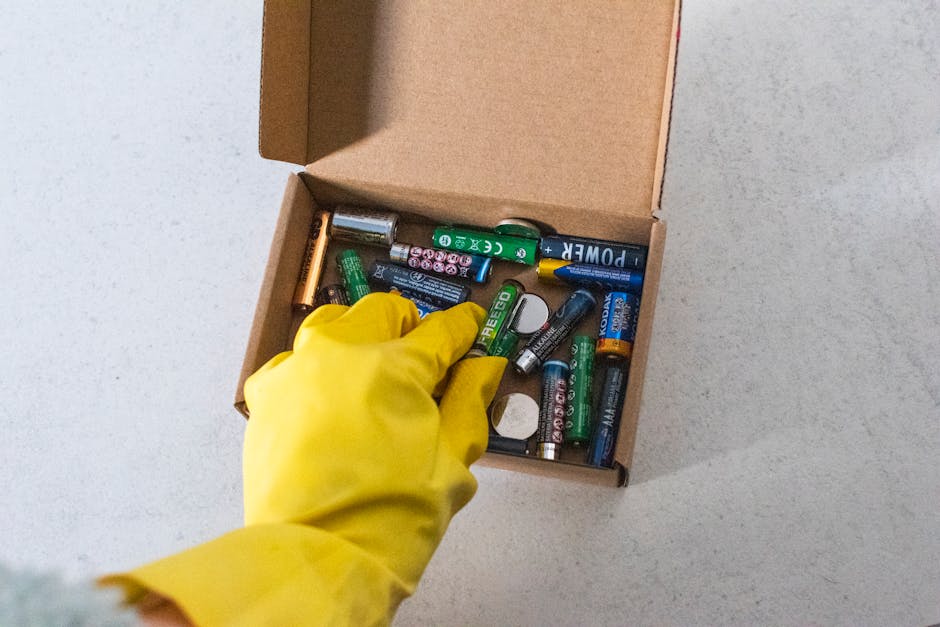
Step by step guide to hazardous household rubbish disposal safely
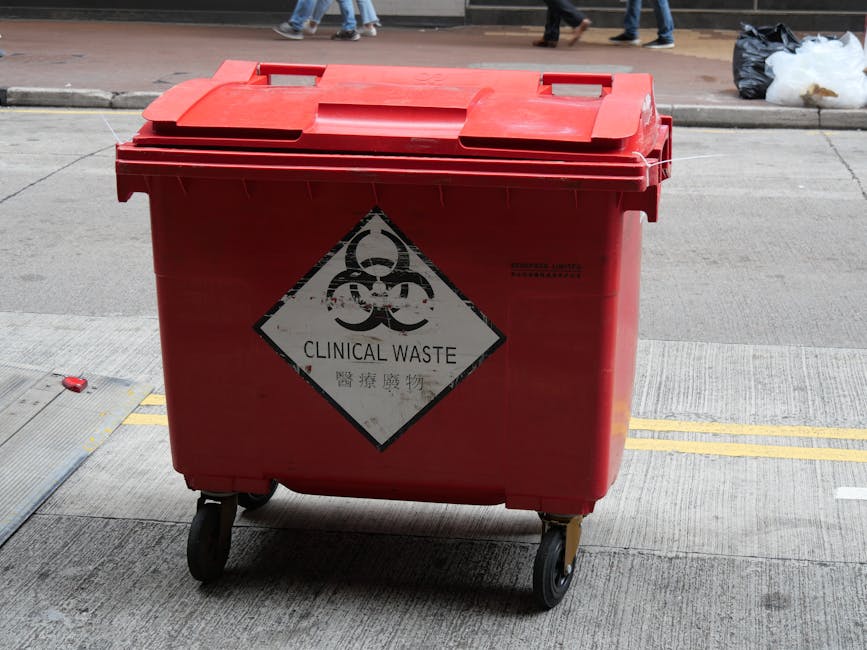
Hazardous household rubbish has a habit of hiding in plain sight. Old paint tins in the shed, a leaking bleach bottle under the sink, batteries in a kitchen drawer, a half-used DIY chemical left after a weekend project - it all looks harmless until it is not. If you want a step by step guide to hazardous household rubbish disposal safely, the good news is that the process is manageable once you know what to separate, how to store it, and where it should go.
This guide is written to help you deal with risky household waste calmly and properly, without the guesswork. We will cover what counts as hazardous, how to sort it, the safest disposal route, and the mistakes people make when they are in a rush. Truth be told, most problems happen because people treat hazardous waste like ordinary rubbish. That is where things get messy - sometimes literally.
By the end, you will have a simple system you can use at home, whether you are clearing a cupboard, tidying a garage, or dealing with items after a move. If you are also planning a bigger clear-out, services such as house clearance or home clearance can help you handle mixed items more efficiently, especially when hazardous pieces are part of a larger job.
Why hazardous household rubbish disposal matters
Hazardous household rubbish matters because it can injure people, damage property, contaminate other waste, and create avoidable headaches for the next person who handles it. That sounds dramatic, but it is often the everyday items that cause the most trouble. A cracked aerosol can, a bottle of solvent stored beside general waste, or a damp battery thrown loose into a bin bag can all create risk.
There is also a practical side. If hazardous waste is mixed with ordinary rubbish, it can make the whole bag or container unsafe to move. It may leak, react, smell, or catch fire. And let's face it, nobody wants a black sack in the boot of a car suddenly giving off a chemical whiff on a warm afternoon.
For households, the biggest win is control. When you know what you have and how to deal with it, you reduce panic and avoid the classic "I'll just deal with it later" pile-up. That pile-up tends to grow in garages, lofts, utility rooms, and under-sink cupboards. We see that pattern often in larger clear-outs, including garage clearance and loft clearance jobs where old tins, cleaners, and DIY leftovers turn up in surprising amounts.
Expert summary: The safest approach is simple: identify hazardous items early, keep them separate, store them upright and sealed, and use an appropriate disposal route rather than mixing them with general household rubbish.
Table of Contents
- Why hazardous household rubbish disposal matters
- How hazardous household rubbish disposal works
- Key benefits and practical advantages
- Who this is for and when it makes sense
- Step-by-step guidance
- Expert tips for better results
- Common mistakes to avoid
- Tools, resources and recommendations
- Law, compliance, standards, or best practice
- Options, methods, or comparison table
- Case study or real-world example
- Practical checklist
- Conclusion
- Frequently Asked Questions
How hazardous household rubbish disposal works
The disposal process is less about "throwing things away" and more about handling waste according to its risk. In plain English, you sort hazardous items, keep them secure, and use a route that prevents exposure to people and the environment. The exact route depends on the item. Some things can be taken to a household waste facility. Others need specialist collection or a retailer take-back option. Some should never be poured down a sink or placed in a general bin, even if the bottle looks nearly empty.
A sensible process usually has four moving parts:
- Identification: work out what the item is and whether it is hazardous, flammable, corrosive, toxic, or sharp.
- Segregation: keep related items together, but separate incompatible materials.
- Containment: leave items in their original packaging when possible, or place them in a clean, clearly labelled container.
- Transfer: hand the waste to the correct collection route, facility, or licensed disposal service.
If you are handling mixed household waste as part of a bigger property clear-out, it can be useful to pair this process with a broader waste plan. For example, a combined waste removal visit can help when the hazardous items are only one part of a larger load, while furniture and bulky items are dealt with separately through furniture disposal.
What people often miss is that the safest method is usually the simplest one. You do not need a laboratory setup. You need good habits, steady handling, and a bit of patience. Boring? Maybe. Effective? Absolutely.
Key benefits and practical advantages
Doing this properly gives you more than peace of mind. It also saves time later, especially if you are clearing a busy home or preparing a property for sale or let. A small amount of organisation now avoids a much bigger cleanup later.
- Reduced risk of injury: no more accidental skin contact, broken containers, or sharp edges hidden in ordinary rubbish.
- Less contamination: recyclable and general waste stay cleaner when hazardous items are not mixed in.
- Better storage: sorted waste is easier to check, label, and move safely.
- Less stress: you know what is waiting to be dealt with, rather than discovering it in a panic on bin day.
- More efficient clear-outs: especially useful during house clearance, flat clearance, or renovation preparation.
There is a quieter benefit too: it builds confidence. Once you have handled a few items properly, the next clear-out feels much less daunting. You start to spot the warning labels, the awkward containers, the stuff that needs extra care. That kind of awareness is worth a lot.
Who this is for and when it makes sense
This guide is for anyone with household hazardous waste sitting around the home. That includes first-time renters, homeowners, landlords clearing a property, people sorting out a deceased estate, and families tackling a long-overdue spring clean. It also makes sense if you are doing DIY, gardening, decorating, or changing batteries and smoke alarms around the house.
You will especially want a safe disposal plan if you have any of the following:
- paint, varnish, or white spirit
- bleach, drain cleaner, or strong cleaning chemicals
- batteries, bulbs, and small electrical items
- garden chemicals, weed killers, or pesticides
- aerosol cans
- old medicines or sharps
- fuels, oils, or oily rags
- smoke alarms or other potentially problematic electrical waste
It also matters during more complex clearances. If you are emptying a storage space, business premises, or shared property, a service like office clearance or business waste removal may be more appropriate for the wider job, while hazardous pieces are separated for the correct route. The same principle applies in mixed domestic jobs. Separate first. Move second. It sounds almost too simple, but that is exactly why it works.
Step-by-step guidance
Here is the practical, no-nonsense method. Keep it steady and do not rush the process. If a container is damaged or smells unusual, slow down and handle it more carefully.
1. Stop and identify the item
Before you move anything, read the label. Look for warnings such as flammable, toxic, corrosive, harmful, or irritant. If the item has no label, assume it needs caution. Unlabelled liquids are best treated as unknown until you can identify them properly. A mystery bottle is not a challenge worth taking on lightly.
2. Separate hazardous waste from general rubbish
Create a dedicated area, even if it is only a sturdy box in a corner of the utility room. Keep hazardous waste away from normal bin bags, food, pet items, and anything that could be contaminated. If you are clearing several rooms, use separate containers for different categories so you are not backtracking later.
3. Keep original containers intact where possible
Original packaging usually contains the safest information: product name, hazard warnings, and handling guidance. Do not decant chemicals into drink bottles or food tubs. That is one of the most dangerous mistakes people make, and it creates confusion for everyone who touches the item afterwards.
4. Seal and stabilise containers
Make sure lids are tight, caps are secure, and any outer packaging is strong enough to stop tipping or leaking. Place fragile containers upright. If a bottle is already leaking, place it inside a larger container or tray to contain the spill. If you hear sloshing, dripping, or a can shifting around, that is your cue to stop and re-check it.
5. Label anything uncertain
If you are not sure what something is, write a clear note on the outer container: "unknown chemical," "old paint," or "battery waste," for example. That simple step helps prevent accidental handling. A small handwritten label can save a lot of confusion later on.
6. Check the disposal route before moving it
Different items follow different routes. Some can go to a household waste site, while others may need a specialist collection or a retailer return scheme. Do not assume because an item is small that it is harmless. Small can still be nasty. Batteries are a classic example.
7. Transport carefully
If you are taking the waste yourself, keep it upright in a box or crate in the boot of the car, never loose in the passenger area. Avoid mixing it with shopping, tools, or soft furnishings. Keep the windows open a little if fumes are possible, and drive straight there rather than making extra stops. A quick coffee stop with a leaky tin of solvent in the boot? Best not.
8. Hand it over correctly
When you arrive at the right place or collection point, tell the handler exactly what you have. If you have added labels or notes, keep them visible. The more accurate the handover, the safer the disposal. If you are using a professional service for the wider clearance, a good team should understand how to separate and route waste appropriately and may have its own safety and sorting procedures, like those explained in the site's health and safety policy.
9. Clean the storage area afterwards
Once everything is gone, wipe down the shelf or floor where the waste was stored. Check for drips, dust, or residues. Replace the container, bag, or box only when you are sure the area is dry and safe. A quick tidy-up now prevents old leaks from becoming a future problem.
Expert tips for better results
The basics are enough for most households, but a few small habits make the whole process smoother. In our experience, these are the details that separate a tidy job from a messy one.
- Sort sooner rather than later: once hazardous waste begins to collect, it tends to attract more of the same.
- Keep a "do not bin" box: a simple box in the cupboard or garage for items that need special handling can save time.
- Store away from heat: avoid keeping chemicals near boilers, radiators, direct sunlight, or hot appliances.
- Do not overfill containers: a half-full box is much safer than a packed one that bursts open when lifted.
- Use a second pair of eyes: if you are unsure about something, ask another adult to check the label with you.
- Plan around your schedule: if you are already arranging a larger clearance, align the hazardous items with the rest of the job so you are not making repeated trips.
A useful rule of thumb: if a product warns you to keep it out of reach of children, away from eyes, or away from heat, it deserves respect during disposal too. No heroics, just good habits.
When the job is part of a larger clear-out, some households prefer to bundle the non-hazardous items into a broader service such as furniture clearance or builders waste clearance, while keeping the hazardous portion separate for specialist handling. That approach is often simpler than trying to deal with everything at once.
Common mistakes to avoid
Most disposal mistakes are completely avoidable. They happen when someone is busy, tired, or trying to be efficient in the wrong way.
- Putting hazardous waste in the general bin: this can create risk during collection and sorting.
- Mixing incompatible materials: some chemicals should never touch each other.
- Using food or drink containers for chemicals: this is dangerous and can mislead anyone who finds them later.
- Leaving containers open: open lids, split caps, and loose tops all increase spill risk.
- Ignoring small items: a battery, bulb, or aerosol may look minor, but it still needs the right route.
- Dragging everything into one bag: that makes it harder to identify items and safer handling becomes guesswork.
- Waiting until the last minute: rushing is when accidents happen. Simple as that.
One slightly awkward but common mistake is assuming that if a product is old, it must have lost its hazard. Not always. Old paint can still be messy, old cleaners can still be irritating, and old fuel can still be dangerous. Age does not automatically make waste harmless, sadly.
Tools, resources and recommendations
You do not need fancy kit, just a few sensible basics.
| Item | Why it helps | Good for |
|---|---|---|
| Sturdy boxes or plastic tubs | Keep items upright and contained | Bottles, tins, aerosols, batteries |
| Permanent marker | Lets you label unknown or mixed items clearly | Anything without a readable label |
| Disposable gloves | Reduces skin contact with residue or dust | Leaky containers, dusty shelves, old product lids |
| Paper towels or absorbent material | Helps contain small drips safely | Minor leaks while waiting for disposal |
| Separate sacks or containers | Keeps categories organised | Chemicals, batteries, bulbs, sharps |
For people dealing with a fuller property clearance, it can help to read about the company's approach to recycling and sustainability and, when relevant, insurance and safety. That gives you a better sense of how mixed waste is handled and what care is taken on site. If you are comparing options, a transparent pricing and quotes page can also be useful, especially when the job has both safe disposal and general clearance needs.
Small note, because it matters: if a product container is swollen, rusted through, or smells strongly, do not handle it casually. Put it down, keep it separate, and choose a safer route. No need to be dramatic, just careful.
Law, compliance, standards, or best practice
In the UK, householders are expected to dispose of waste responsibly, and that includes waste that may be harmful, flammable, or otherwise hazardous. The exact requirements can vary depending on the item and the collection route. It is wise to follow local guidance, keep waste separated, and use approved disposal methods rather than trying to improvise.
From a best-practice perspective, the key principles are consistent:
- do not place hazardous items in general household rubbish unless you know they are accepted there
- do not pour chemicals into drains, soil, or outdoor gullies
- do not mix unknown liquids together
- keep containers sealed and legible wherever possible
- use a collection route that is appropriate for the waste type
If you are hiring help for a larger job, it is sensible to choose a provider that can explain its handling process plainly and show a responsible approach to safety, sorting, and disposal. A clear policy page, such as the site's terms and conditions and about us, can help you understand how the service is structured and what to expect. That does not replace your own care, but it does build trust.
One more practical point: if you are uncertain about a specific item, do not guess. The safest decision is often to pause and seek the right handling route rather than forcing a fast answer. It is a small delay, really, compared with the trouble a wrong disposal choice can create.
Options, methods, or comparison table
There is no single disposal method for every hazardous household item. The right choice depends on what you have, how much there is, and whether the waste is part of a larger clear-out.
| Method | Best for | Pros | Watch-outs |
|---|---|---|---|
| Separate household sorting at home | Small quantities, mixed cupboards, general decluttering | Low cost, simple, keeps control in your hands | Needs careful labelling and safe storage |
| Household waste facility or council route | Common household hazardous items in manageable amounts | Good for one-off loads and familiar items | Availability, opening times, and accepted items may vary |
| Specialist collection | Leaky, awkward, or larger quantities | Less lifting and less guesswork | May need advance booking and clear item description |
| Combined property clearance | When hazardous waste appears alongside furniture, loft contents, or renovation waste | Efficient for larger jobs and mixed loads | Hazardous items still need separate handling, not bundled in casually |
If you are already planning a wider clearance, this is often the moment to coordinate the different waste streams. For example, a mixed household job may involve furniture clearance, house clearance, and a separate route for hazardous items. Doing that in one tidy plan is usually far better than trying to juggle ten bags and three mystery tins on a Saturday morning.
Case study or real-world example
A typical real-world scenario goes like this. A couple starts clearing a small semi-detached house after years of "just put it in the cupboard for now." In the kitchen cupboard they find half-used cleaning products, old bleach, a couple of loose batteries, and a blister pack of out-of-date medicine. In the garage there are old paint tins, a can of lubricant, and one aerosol can that sounds suspiciously full when shaken.
Instead of stuffing everything into one bin bag, they set up three boxes: one for chemicals, one for batteries and bulbs, and one for medicines. They leave the original labels on, tape a note on the unknown can, and keep everything upright in the garage away from heat. A later trip is planned for the correct disposal route rather than trying to make it fit into a normal bin collection.
The result is boring in the best possible way. No leaks, no broken containers, no odd smells in the hall, and no last-minute panic when the general waste is due out. The rest of the clear-out then moves faster because the risky items are no longer in the way. That calm, controlled feeling is exactly what you want.
In more substantial jobs, the hazardous items are simply one part of a broader clearance plan, alongside bulky waste, broken furniture, and general household clutter. If the property is particularly full, a structured service such as garage clearance or loft clearance can make the process far less overwhelming, while you keep the hazardous items separate for proper handling.
Practical checklist
Use this quick checklist before you move or dispose of anything questionable.
- Read the label and check for hazard warnings
- Separate hazardous items from normal rubbish
- Keep chemicals in original containers where possible
- Seal lids and caps firmly
- Store items upright in a stable box or tub
- Label unknown items clearly
- Keep away from food, pets, and children
- Choose the correct disposal route before moving it
- Transport carefully and avoid mixing with other household items
- Clean the storage area after disposal
Quick practical reminder: if you cannot confidently explain what an item is, treat it as something that needs careful handling rather than as ordinary waste. That habit alone prevents a lot of hassle.
Get a free quote today and see how much you can save.
Conclusion
Safe hazardous household rubbish disposal is not complicated once you break it into sensible steps. Identify the item, keep it separate, store it securely, and use the right disposal route. That is really the core of it. No drama, no guesswork, no risky shortcuts.
Whether you are dealing with a few old batteries or a full cupboard of mixed household chemicals, the same approach holds true. Slow down, sort carefully, and choose the method that protects people, property, and the environment. If the job is part of a broader home, garage, or house clearance, good planning makes everything easier. Honestly, that little bit of order can change the whole feel of the task.
And if you are tackling it today, start with one small box. One shelf. One drawer. The job becomes lighter as soon as you begin.
Frequently Asked Questions
What counts as hazardous household rubbish?
Hazardous household rubbish usually includes items that can be harmful, flammable, corrosive, toxic, irritating, or sharp. Common examples are paints, cleaners, batteries, aerosols, garden chemicals, fuels, oils, and some electrical waste. If a product label warns you to handle it carefully, assume it needs careful disposal too.
Can I put hazardous waste in my normal bin?
Usually, no. General household bins are not the right place for hazardous items because they can leak, react, or create risks for collectors and sorting teams. Even small items such as batteries or aerosol cans should follow the appropriate disposal route rather than being mixed with ordinary waste.
What should I do with old paint tins?
Keep the tins closed, upright, and clearly labelled. If the paint is still usable, some people keep it for touch-ups, but if it is old, dried, or unusable, it should go through the correct disposal route. Do not pour it down drains or mix it with other liquids.
Are empty cleaning bottles safe to throw away?
Only if they are genuinely empty and free from residue, and even then you should follow local disposal guidance. If there is still liquid, foam, or strong smell inside, treat the bottle with caution. A bottle that looks empty is not always harmless.
How should I store hazardous waste before disposal?
Store it upright, sealed, and away from heat, food, and children. Keep similar items together and separate anything that seems incompatible. A sturdy box or tub is often enough for small household amounts, as long as it stays stable and dry.
Can batteries go in recycling?
Batteries usually need a separate battery recycling or collection route. Loose batteries should never be thrown into general waste because they can cause fires and other issues. Tape over terminals where appropriate and store them in a small container until they are handed over.
What if I do not know what the liquid is?
Do not mix it with other chemicals or pour it away. Keep it isolated, label it as unknown, and handle it cautiously. If the container is damaged or leaking, place it in a safe outer container and choose a proper disposal route rather than experimenting.
Do I need special equipment for household hazardous waste?
Usually not. For most jobs, basic gloves, sturdy containers, labels, and a calm approach are enough. The real value comes from sorting carefully and avoiding shortcuts. Fancy gear is less important than steady handling and good decisions.
Is it safe to transport hazardous rubbish in my car?
It can be, if the waste is correctly sealed, upright, and kept separate from passengers and shopping. Never transport loose chemicals or open containers. If fumes are strong, or if the item is damaged, it is better to use a safer route rather than taking a chance.
When should I use a professional clearance service?
If the waste is part of a larger property clearance, if there is a lot of bulky rubbish, or if you are dealing with awkward mixed items, a professional service can make the whole process easier. Hazardous items still need careful separation, but the wider job becomes much more manageable.
What is the safest first step if my cupboard is full of mixed old products?
Take everything out slowly, one item at a time, and group similar products together. Do not try to do the whole cupboard in one rush. Start with the obvious items like batteries, aerosols, and cleaners, then work through the rest. Small progress is still progress.
Where can I learn more about responsible disposal and safety?
It helps to read a provider's safety, sustainability, and service information so you understand how waste is handled from start to finish. Pages such as recycling and sustainability, health and safety policy, and contact us can be useful starting points when you are planning a larger or more complex clearance.